
Downstream Injectors
Brand
Price
- (9)
- (5)
Showing all 15 resultsSorted by popularity
-
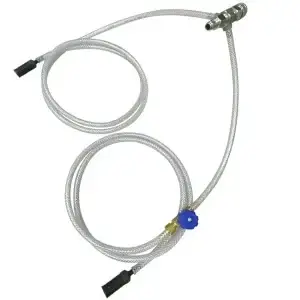
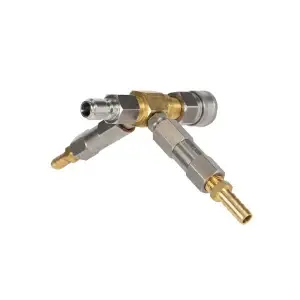
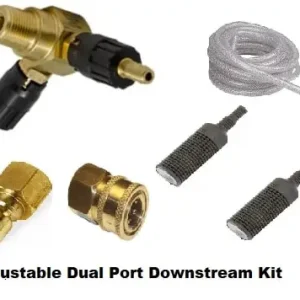
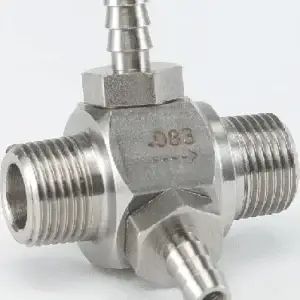
Dual Port Injector Kit
From $85.47 -
-
-
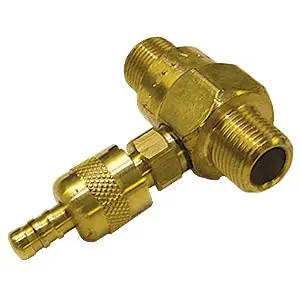
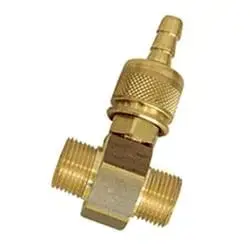
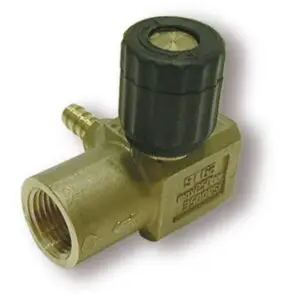
Super Downstream Injector
From $56.47 -
-
-
-
-
-
-
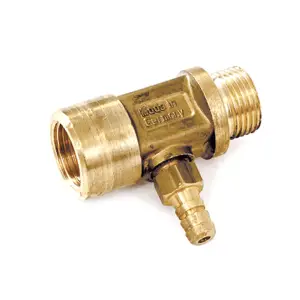
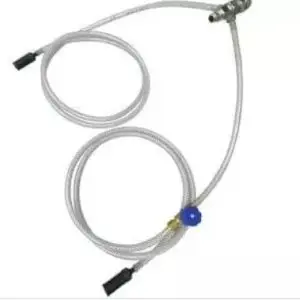
Suttner ST-60 Chemical Injector
From $25.47 -
-
-
-
Downstream Injectors: Selection & Setup Guide
How Downstream Injection Works
A downstream injector is a venturi installed on the discharge side of your pressure washer. When flow is diverted to a low-pressure nozzle or open gun setting, the injector draws chemical from a pickup line and mixes it into the water stream. Switching back to a high-pressure tip typically stops draw so you can rinse clear water.
Keep the chemical pickup line short, use a clean filter, and minimize restrictions to help the injector draw consistently.
Choosing the Right Injector
Size to Your Machine
Match the injector model/orifice to your pressure washer’s flow and pressure. An injector that’s too small can restrict flow; one that’s too large may not draw. Always confirm sizing guidance on the product page for your GPM and PSI.
Adjustable vs. Fixed Draw
Adjustable injectors let you fine‑tune detergent strength at the unit. Fixed‑draw models offer a consistent mix and simple setup. Either style can also use color‑coded metering tips in the pickup line to limit draw.
Materials & Seals
Choose construction that matches your chemistry. Stainless bodies and chemical‑resistant seals (e.g., Viton or EPDM) are preferred for oxidizers and aggressive detergents. Brass bodies are common for general cleaning with compatible soaps.
Connections & Add‑Ons
Quick‑connect injectors speed changeouts, while barbed options integrate into fixed plumbing. Consider adding a bypass/remote rinse kit to switch between soap and water without walking back to the machine.
Equipment Selection Notes
- Confirm your washer’s GPM/PSI before choosing an injector model.
- For bleach and strong detergents, prefer stainless hardware and compatible seals.
- Long hose runs and high back‑pressure can reduce chemical draw; plan hose length accordingly.
- Use a low‑pressure application tip or dedicated soap nozzle to activate draw.
- Flush the injector with fresh water after using chemical to extend service life.
Compatibility & Care
| Application | Recommended Choice | Notes |
|---|---|---|
| Sodium hypochlorite/oxidizers | Stainless body; chemical‑resistant seals | Rinse pickup line and injector with fresh water after use. |
| General detergents | Brass or stainless; fixed or adjustable | Use metering tips for repeatable dilution. |
| Hot‑water machines | Model rated for your temperature range | Install downstream after the heater and verify temperature rating. |
| Long hose runs | Injector sized for your GPM with minimal restrictions | Clean filters and avoid kinks to maintain draw. |
Do not assume any injector is compatible with every chemical or temperature. Always review product specifications and chemical safety data before use.
Setup & Best Practices
- Install the injector on the discharge side of the pump following the flow arrow.
- Attach the pickup hose, filter, and optional metering tip; keep the pickup as short as practical.
- Use a low‑pressure/soap nozzle to start draw and test on a small area.
- Adjust dilution at the injector (if adjustable) or by changing metering tips/chemical strength.
- Rinse thoroughly, then flush the injector and pickup hose with fresh water.
Troubleshooting Low or No Chemical Draw
- Verify you are using a low‑pressure nozzle or open gun setting.
- Check for clogs in the pickup filter, metering tip, or injector body.
- Inspect for air leaks or loose fittings on the pickup hose.
- Reduce unnecessary hose length or high‑pressure restrictions downstream.
- Confirm the injector size matches your machine’s GPM/PSI.
Learn More About Downstreaming
Get the Right Downstream Injector for Your Rig
Not sure which injector, fittings, or bypass kit you need? Our team can help you match components to your machine, hose length, and chemicals.