Labor Day Sale · 20% Off Sitewide Through September 7 · Code WORK2026
0

Pumps

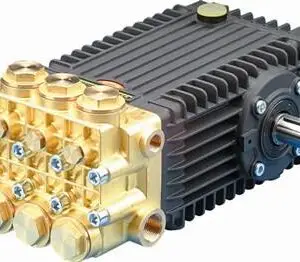
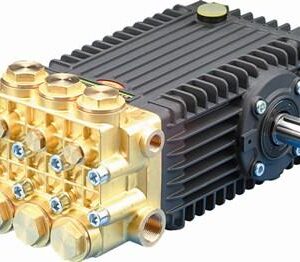
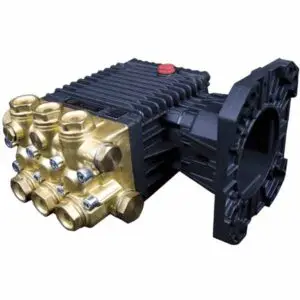
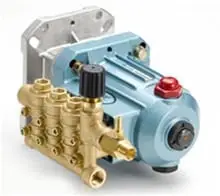
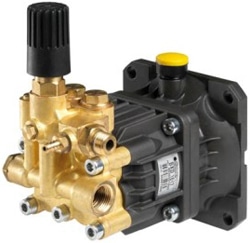
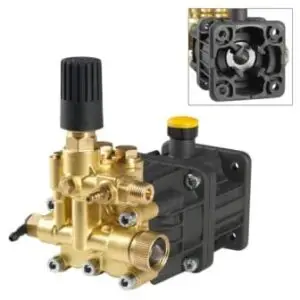
Find the right replacement pressure washer pump by matching flow, pressure, drive type, and shaft size to your machine. This guide explains common pump types, mounting options, and key checks so you can buy with confidence and avoid fitment issues.

Brand

Price

Max Inlet Pressure

Showing 241–260 of 329 resultsSorted by popularity

Pumps FAQ's

A buffer tank helps when supply is inconsistent, hose runs are long, or high GPM pumps are used. It stabilizes inlet conditions and helps prevent cavitation.
Common causes are inlet starvation, air leaks on the suction side, incorrect unloader setup, or mismatched RPM. Check feed plumbing, filter, fittings, and unloader settings.
Only within the power source’s capability. Higher pressure or flow may require more horsepower, different gearing, or upgraded accessories.
Measure the engine or motor shaft and match it to the pump (e.g., 3/4″ or 1″ hollow, 24 mm solid, or 5/8″ hollow for NEMA 56C). Confirm the flange pattern and rotation clearance.
Direct-drive is compact and cost-effective. Belt-drive reduces pump RPM and vibration, which many users prefer for longer run times or fixed installations.
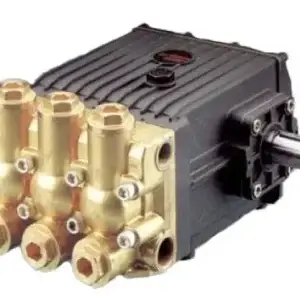
Wobble and axial pumps are compact designs suited to lighter duty. Triplex plunger pumps are built for frequent use and are fully serviceable with replaceable seals and valves.
Home Backup - 2-2-24
Special Offer
PowerWash Prime Membership