
Burner Motor
Brand
Price
- (1)
- (8)
Showing all 9 resultsSorted by popularity
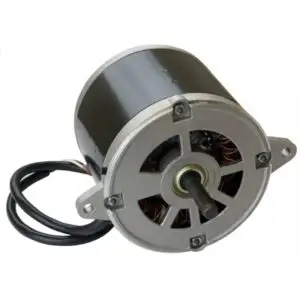
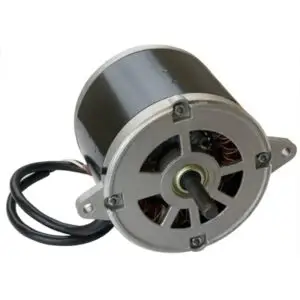
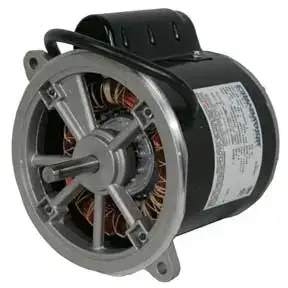
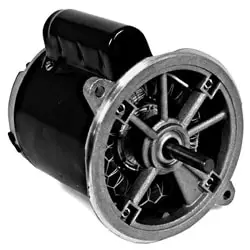
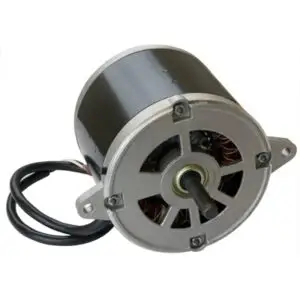
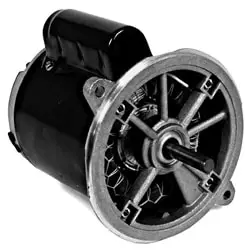
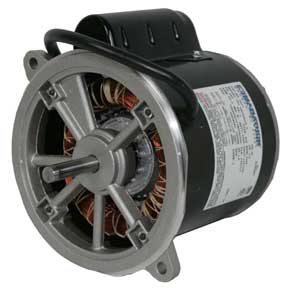
How to Choose a Replacement Burner Motor
Matching nameplate specs prevents downtime. Photograph the old motor’s label and the oil pump coupler before you remove anything.
Before You Order: Capture These Specs
- Power type and voltage from the motor nameplate (12V DC, 115V AC, 230V AC).
- Rotation direction when viewed from the shaft end (CW or CCW).
- Speed (RPM) and horsepower listed on the label.
- Frame/mount style and bolt pattern used by your burner (e.g., NEMA 48-series and common M-flange styles).
- Shaft diameter and length plus the oil pump coupler style.
- Primary control/ignition compatibility and capacitor type if applicable.
Choose the Right Replacement
Power Type and Voltage
Match DC or AC power exactly. Mobile washers frequently use 12V DC burner motors powered by the charging system. Shop and stationary units often use 115V or 230V AC. Do not substitute a different voltage or power type.
Rotation Direction
Select CW or CCW to match the original motor as viewed from the shaft end. Incorrect rotation prevents proper airflow and can stress the oil pump coupler.
Frame, Mount and Fit
Confirm the frame (commonly NEMA 48-series) and burner mounting flange so the blower wheel, bracket and pump align correctly without adapter plates.
Shaft and Coupler
Measure shaft diameter and length and verify the coupler style for your fuel pump. A mismatch can cause vibration, noise or premature pump wear.
Compatibility Quick‑Check
| Spec label | Where to find it | Example values (not universal) |
|---|---|---|
| Voltage / Power | Motor nameplate | 12V DC; 115V AC; 230V AC |
| Rotation | Nameplate arrow or burner manual | CW or CCW (viewed from shaft end) |
| Speed | Nameplate | Approx. 3450 RPM (common for AC burners) |
| Frame / Mount | Nameplate or burner manual | NEMA 48‑series; M‑flange styles |
| Shaft / Coupler | Direct measurement | Match diameter, length and coupler to existing pump |
Disconnect electrical power and fuel supply, allow hot components to cool, and follow burner manufacturer procedures. Incorrect wiring, rotation or misalignment can damage the oil pump and controls.
Troubleshooting Signs That Point to the Motor
- Motor hums but will not start, or trips its protector/primary control.
- Runs but airflow is weak, leading to hard ignition or sooting.
- Notable shaft play, seized bearings, or burnt odor from the housing.
- Supply voltage is correct but the motor draws excessive current.
Keep Your Burner Reliable
Need help matching a burner motor?
Share a photo of your old motor’s nameplate and pump coupler. Our team will confirm a compatible replacement and installation pointers for your washer’s burner.